Most coffee bags don't tell you much. A roast level, maybe a flavor note, a country at best. Single origin coffee is different. It tells you exactly where it came from and asks you to taste the difference.
This guide breaks down what single origin coffee actually means, why origin shapes the way your cup tastes, and what to look for the next time you're buying beans.
1. What Is Single Origin Coffee?
Picture this. A farmer in the highlands of Huila, Colombia wakes before sunrise, walks rows of coffee trees, and hand-picks only the ripest cherries. Those cherries get processed, dried, and eventually make their way into a bag with one word on the front: Colombia.
That is single origin coffee.
Single origin coffee comes from one place, one region, and often one harvest. The beans are not mixed with coffee from other countries or farms. What ends up in your cup is a direct reflection of that specific location, shaped by its soil, altitude, climate, and the way the coffee was processed after picking.
The Specialty Coffee Association defines traceability as one of the pillars of specialty coffee. Single origin is where that traceability is most visible and most honest.
2. Why Single Origin Coffee Matters
The global coffee industry produces over 170 million bags of coffee per year. Most of it gets blended, traded in bulk, and roasted without much attention to where it came from.
Single origin flips that. It puts the farm, the region, and the farmer back into the conversation.
That matters for a few reasons.
-
It creates accountability. Roasters who source single origin have to know who they are buying from and why.
-
It creates transparency. Drinkers can trace their cup back to a country, a region, sometimes even a specific lot.
-
It creates connection. There is a story behind the cup that a blended commodity coffee simply cannot offer.
For anyone who cares about where their food and drink comes from, single origin is the most honest answer coffee has.
3. How Origin Shapes the Flavor in Your Cup
Coffee is a fruit. And like any fruit, where it grows changes how it tastes.
A few factors drive that difference.
Altitude
Higher altitudes mean cooler temperatures and slower maturation. The coffee cherry takes longer to develop, which builds more complex sugars inside the bean. That is why high-grown coffees tend to carry brighter acidity and more nuanced flavor.
Climate
Consistent climates produce more predictable harvests. Variable climates create more interesting ones. Rainfall, temperature swings, and dry seasons all shape the density and character of the bean as it grows.
Soil
Volcanic soil, common in regions like Guatemala and Nicaragua, is particularly rich and gives coffee a distinct mineral depth. The plant absorbs what the earth provides, and that comes through in the cup.
Processing Method
Whether a coffee is washed, natural, or honey processed changes what flavors survive into the finished cup. Washed coffees tend to be cleaner and brighter. Natural processed coffees carry more fruit-forward, sometimes wilder notes.
These variables are exactly what we look at when sourcing each origin at OLAS Coffee Co. Our Colombia brings bright acidity and a smooth finish, shaped by high-altitude Andean farms. Our Guatemala is clean and balanced with a mild cocoa note, grown in volcanic soil that gives it quiet structure. Our Nicaragua has more body and a rounder sweetness, a fuller cup that holds up across brew methods.
Each one tastes the way it does because of where it came from. That is the whole point.
4. Single Origin Coffee vs Blends
Neither is better. They serve different purposes and different drinkers.
Blends are built for consistency. A roaster combines beans from multiple origins to hit a target flavor profile that stays the same year round. That is useful for espresso, for milk drinks, and for anyone who wants the same cup every morning without variation.
Single origin is built for character. The flavor shifts with each harvest because the conditions that produced it shift. A drought year tastes different from a wet year. An early harvest tastes different from a late one. That variation is not a flaw. It is what makes single origin interesting.
According to World Coffee Research, climate variability is already affecting coffee-growing regions globally, which means the flavor of any single origin will continue to evolve. That is more reason, not less, to pay attention to where your coffee comes from.
|
Single Origin |
Blend |
|
|
Source |
One region or farm |
Multiple regions |
|
Flavor |
Distinct, tied to place |
Balanced, consistent |
|
Variation |
Changes with harvests |
Stays the same year-round |
|
Traceability |
Farm, region, lot |
Country level at best |
|
Best for |
Black coffee, tasting origin |
Espresso, milk drinks |
|
Price |
Often higher |
More accessible |
5. Single Origin Coffee Brands Worth Knowing
The specialty coffee world has built much of its identity around single origin sourcing. A few names have led that conversation.
Intelligentsia Coffee, founded in Chicago in 1995, was one of the first roasters in the US to practice direct trade, cutting out middlemen to build relationships directly with farmers. Counter Culture Coffee out of Durham, North Carolina publishes annual transparency reports showing the exact prices they pay for every coffee they source. Blue Bottle Coffee helped bring single origin to a wider consumer audience, making it feel approachable rather than niche.
Smaller roasters bring a different kind of focus. At Olas Coffee the lineup is intentionally tight. Four origins. Each one sourced for what it does well. No filler. The advantage of a smaller roster is that every coffee gets real attention, from sourcing through roasting through the cup.
What to look for in any single origin brand is transparency. Can they tell you where the coffee came from? Do they share the region, the farm, the process? If yes, that is a roaster taking origin seriously.
6. How to Brew Single Origin Coffee
Single origin coffee rewards brewing methods that let the flavor come through clearly.
-
Pour over is the most popular choice among specialty drinkers. Methods like the Hario V60 and Chemex give you full control and produce a clean, nuanced cup that highlights origin character.
-
Drip works well too, especially with a quality grinder and freshly roasted beans. A good drip machine keeps the cup honest.
-
French press is a valid option if you prefer heavier body. It will mute some of the more delicate notes but brings out warmth and depth in fuller origins like our Nicaragua.
-
Espresso is less common for single origin but not off limits. It intensifies everything. A medium roast tends to balance best.
The most important variable across all methods is freshness. Grind right before you brew. Single origin has more to give when it is fresh.
7. What to Look for When Buying Single Origin Coffee Beans
Most drinkers pick a bag based on the label. Here is what to actually read.
Roast date
Coffee is at its best in the two to four weeks after roasting. After that, flavors flatten. If a bag does not have a roast date on it, that is a flag.
Origin detail
Colombia alone is vague. Colombia, Huila, washed process tells you something real. The more specific the information on the bag, the more seriously the roaster is taking the sourcing.
Roast level
Light to medium roasts preserve origin character best and let the terroir come through. Darker roasts can be delicious but tend to push the coffee's natural flavors into the background in favor of the roast itself.
At OLAS Coffee Co. every origin comes with a clear story. We source what we believe in and roast in small batches so every bag is fresh when it reaches you.
Four Origins. One Neighborhood Roaster
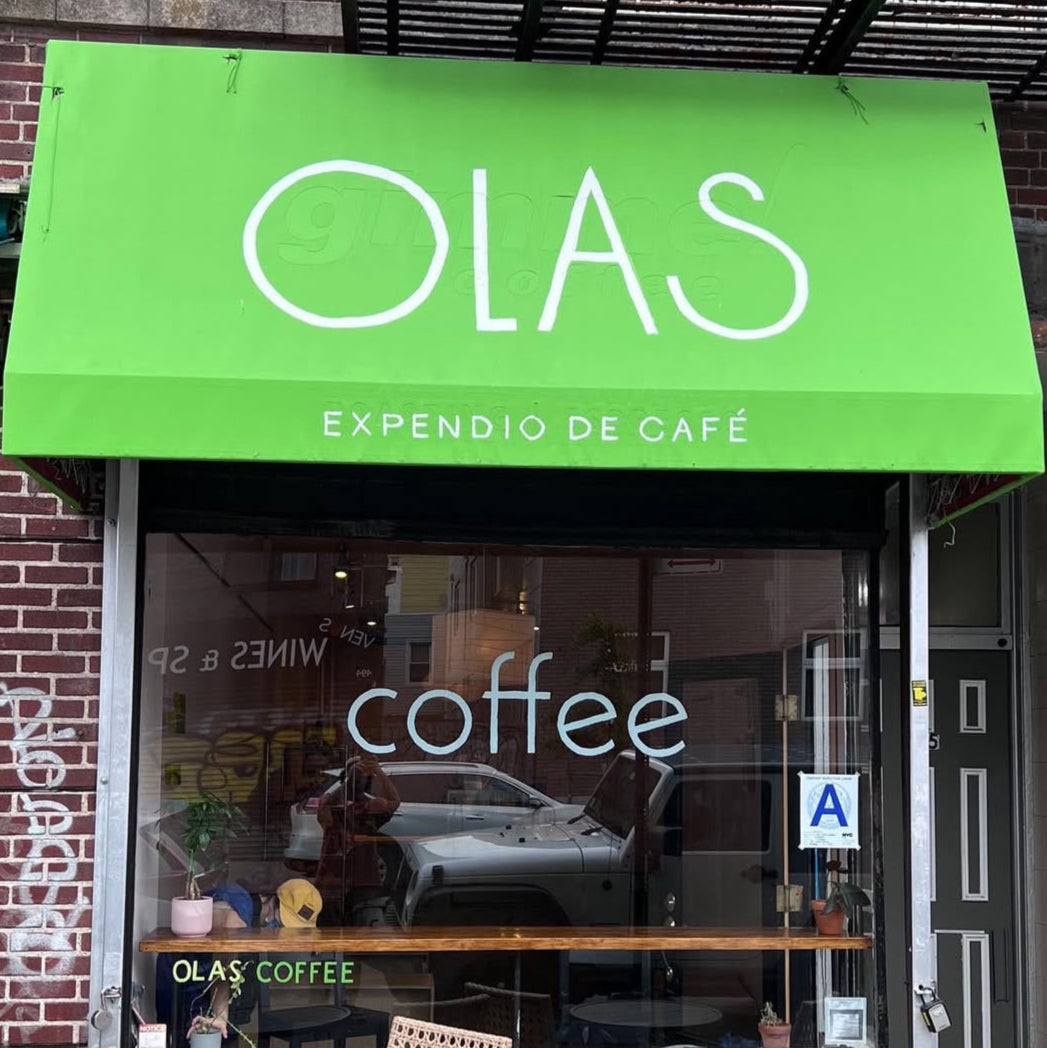
At OLAS we keep the lineup simple. Four origins roasted in small batches out of our café at 495 Lorimer St in Williamsburg, Brooklyn. Colombia is bright and balanced, a clean cup that works for just about everyone. Guatemala is structured and smooth with a mild cocoa note. Nicaragua has more body and a rounder sweetness that holds up across any brew method. Wildcard is our rotating seasonal origin, a different country and profile with each release, and a good reason to keep checking back. All four are available at olascoffeeco.com. Use code OLASCOFFEE10 for 10% off your first order, or come find us in Brooklyn.